September 16, 2026
• By Upstream Festival
Where founders meet investors in the Netherlands
Fundraising starts with conversations, with understanding which investors are relevant for your stage. With learning how to explain the company clearly. With getting feedback from people who have seen hundreds of startups before yours.
Finding the right investor is rarely a matter of simply having a strong idea and sending it to as many funds as possible. A good investor fit depends on timing, sector, stage, ambition, geography, business model and the type of support a founder needs after the round has closed.
That is why startup investor events in the Netherlands can be valuable when they are designed well. They create a setting where founders can meet startup investors, ask better questions, test their story and build relationships before fundraising becomes urgent.
The Netherlands has a strong and growing startup ecosystem, with investors active across software, climate, health, deep tech, maritime, energy, impact and other sectors. For founders, the challenge is often knowing where to start and how to make the right conversations happen.
Fundraising is a relationship before it is a transaction
A funding round may end with a term sheet, but it usually starts with trust.
Investors want to understand the founder, the problem, the market and the ambition behind the company. Founders want to understand whether an investor is serious, relevant and able to add value beyond capital.
A first conversation can help both sides understand whether there is a potential fit. The founder can test how clearly the story lands. The investor can ask questions that reveal what is already strong and what still needs work. Even when the answer is not an immediate yes, the conversation can be useful if it gives the founder better insight into what to prove next.
This is especially important for early-stage startups. At pre-seed and seed stage, many companies are still developing the evidence investors need. The product may be early, revenue may be limited and the market may still be taking shape. In that phase, the strength of the founder, the clarity of the problem and the quality of the early signals matter a lot.
Meeting investors before the formal raise gives founders time to build context and also gives investors time to follow the company’s progress.
Why investor matchmaking matters
Good startup investor matchmaking helps founders avoid wasting time on the wrong conversations.
A founder building a climate hardware company will usually need a different type of investor than a founder building B2B SaaS. A healthtech founder dealing with regulation and clinical validation will have different questions than a marketplace founder testing acquisition channels. A deep-tech startup may need investors who understand long development cycles, technical risk and the value of partnerships with research institutions or corporates.
When investor meetings are random, founders often spend too much time explaining the basics to people who are unlikely to invest. When the match is more relevant, the conversation can move faster into the questions that matter.
• What stage are you at?
• What have you already proven?
• What do you need capital for?
• Which milestones would make the next round possible?
• Which investor has experience with this market, business model or type of company?
A well-curated startup investor event in the Netherlands should help founders answer those questions through the people they meet, the sessions they attend and the feedback they receive.
What founders should prepare before meeting investors
Founders do not need to have every answer before speaking to investors. They do need to understand their own business well enough to have a useful conversation.
Before joining a fundraising event for startups or a startup speed dating session with investors, it helps to be clear on a few essentials:
• What problem are you solving, and who feels it most urgently?
• Why is now the right time for this company?
• What have you learned from customers, users, pilots or early revenue?
• Why is your solution different from the existing alternatives?
• How big could the company become if things go well?
• What are you trying to prove in the next 12 to 18 months?
• How much capital would you need to reach that next milestone?
• What kind of investor would be most useful for this stage?
The best investor conversations are usually specific. A founder who can explain what they are looking for makes it easier for an investor to respond honestly. That might mean funding, sector feedback, an introduction, advice on the round structure or a clearer view on whether the company is ready to raise.
Preparation also helps founders use short meetings well. A 20-minute investor speed date is not enough time to explain every detail of the business. It is enough time to create interest, ask one or two focused questions and understand whether a longer follow-up meeting makes sense.
The value of meeting investors offline
Online outreach can work, especially when it is targeted and relevant. A warm introduction, a clear email and a strong deck can open doors. Still, in-person meetings have a different value.
Founders can read the room. Investors can get a better sense of the person behind the company. A short conversation can create enough trust for a follow-up that might not have happened through a cold email. Events also allow founders to compare feedback from several investors in a short period, which can reveal patterns more quickly.
Offline startup networking in Rotterdam and across the Netherlands can be especially useful because the ecosystem is connected. One investor may not be the right fit, but they may know someone who is. One conversation with a founder may lead to a customer introduction. One workshop may clarify a point that improves the next investor meeting.
The strongest outcomes often come from the combination of structure and openness: planned meetings with relevant investors, plus enough space for unexpected conversations with founders, operators, partners and advisors.
What investors are looking for
Every investor has their own thesis, but most investor conversations return to a few themes. They want to know whether the problem is real. They want to understand the market. They want to see why this team has a strong chance of building the company. They want to know what evidence exists today and what the next phase of evidence should look like.
At early stage, that evidence can take different forms. It might be customer interviews, signed pilots, usage data, early revenue, letters of intent, strong technical progress, a waiting list, strategic partnerships or founder-market fit. The key is to show that the company is learning quickly.
Investors do not expect a young startup to look like a mature company. They do expect founders to know what they are testing and why it matters. A good fundraising conversation should make the next milestone clearer, even when the investor is not ready to invest yet.
Different investors bring different value
The Dutch startup ecosystem includes many types of investors.
Angel investors can be useful at the earliest stages, especially when they bring founder or operator experience. Early-stage VC funds can help a startup prepare for a larger round and connect with follow-on investors. Sector-focused investors may understand the specific market dynamics of climate, health, maritime, fintech, deep tech or enterprise software. Corporate venture teams can bring access to industry expertise, customers and strategic partnerships.
For founders, the question is not simply who has capital available. It is who understands the company and can support the next stage of growth.
An investor with relevant experience can help a founder sharpen the fundraising story, avoid avoidable mistakes and think through the path to the next round. An investor with the right network can open doors to customers, talent, partners or international capital. An investor with the wrong expectations can create pressure that does not fit the company’s stage or market.
This is why founders should treat investor meetings as two-way conversations. The founder is being evaluated, but the investor is also being assessed.
Why the Netherlands is a useful place to build investor relationships
The Netherlands has a practical advantage for founders: the ecosystem is compact enough for introductions to move quickly and broad enough to include different types of investors, sectors and support organisations.
A founder can meet early-stage investors, ecosystem builders, corporates, public partners, advisors and other founders within the same network. This can be helpful for companies that need more than funding, especially in sectors where pilots, customers, regulation or partnerships play a major role. Rotterdam adds another layer to that picture.
The city is closely connected to port and maritime, climate and energy, health, logistics and impact-driven innovation. For founders building in these areas, startup networking in Rotterdam can create conversations that are both investor-relevant and market-relevant.
A useful investor conversation often improves when it happens close to the customer problem. Founders can speak about the market with more precision, and investors can better understand why the opportunity matters.
How events can help founders move faster
A good founder investor event in Europe should help founders make progress in several ways.
It should give access to relevant investors. It should help founders understand what those investors are looking for. It should create opportunities for honest feedback. It should bring together peers who can share what raising actually feels like. It should connect fundraising to the wider work of building a company: finding customers, hiring the right people, entering new markets and developing the confidence to make difficult decisions.
For founders who are not yet ready to raise, this kind of event can still be valuable. It can help them understand what to prepare, which investors to follow and what evidence will matter later.
For founders who are already fundraising, structured investor matchmaking can make the process more focused. Instead of spending weeks trying to identify the right people, they can use the event to start relevant conversations and create momentum for follow-up meetings.
For investors, the value is also clear. Curated meetings help them discover founders who match their interests, understand what is being built across the ecosystem and develop relationships earlier in the startup journey.
What makes an investor meeting useful
Investor meetings can be valuable when they help founders sharpen the next step, whether that means refining the pitch, understanding what evidence is missing or identifying which investors are most relevant.
A founder may learn that the company needs more customer evidence before raising. They may discover that a different type of investor would be more relevant. They may realise that their pitch is too focused on the product and not enough on the market. They may receive a question that helps them refine the next version of the deck.
That can be frustrating in the moment, especially when founders are eager to move quickly. Over time, clear feedback is valuable.
Founders should leave investor conversations with a better understanding of what to do next. If the meeting creates confusion, it may be worth asking a direct follow-up question: what would you need to see before this becomes investable for you?
The answer can help founders decide whether to keep the investor warm, ask for a different introduction or focus on building more proof before continuing the fundraising process.
Where founders meet investors in the Netherlands
Founders meet investors in many places: warm introductions, angel networks, accelerators, university programmes, founder communities, demo days, sector events, LinkedIn and direct outreach. Startup events bring these routes together in one place.
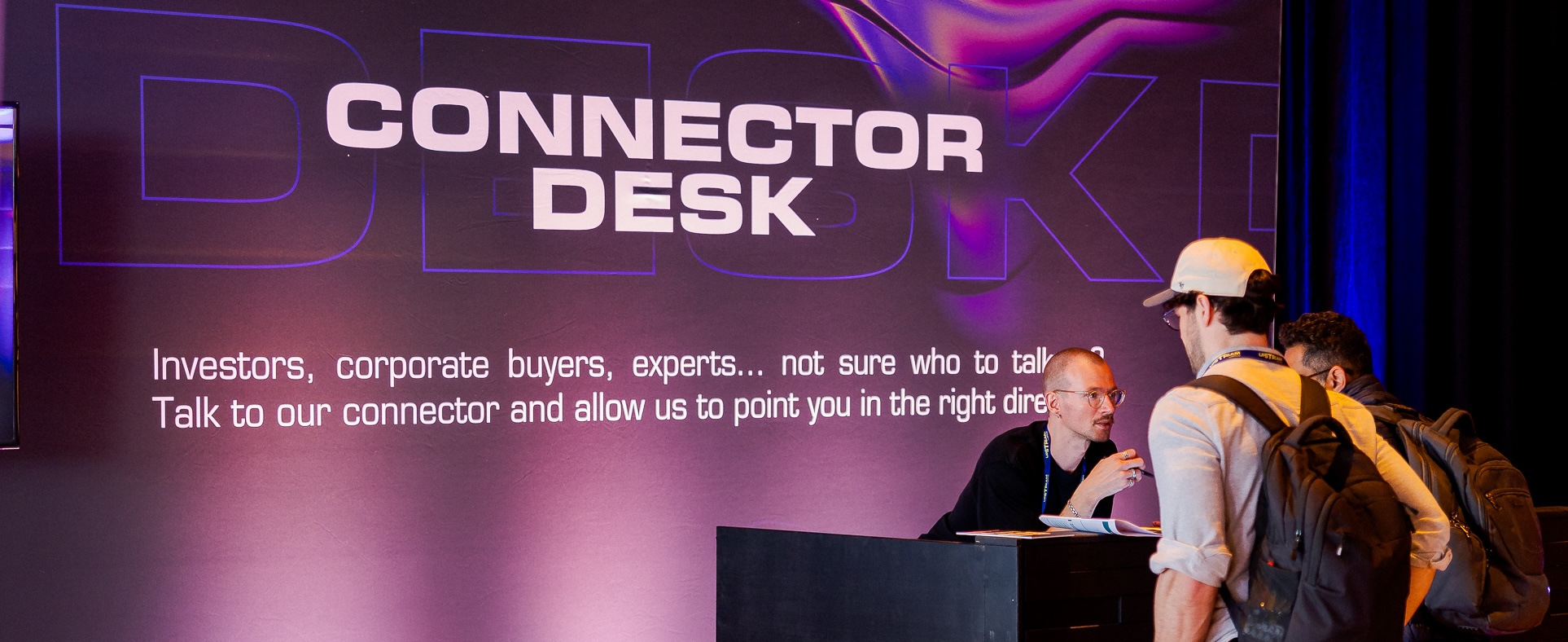
At Upstream Festival, the focus is on creating practical connections between founders, investors and the wider ecosystem. The programme has included investor speed dates, the Funding Hub, Startup Roulette, founder meetups, startup pitches and workshops on the fundraising journey. These formats help founders prepare, meet relevant people and understand what investors need to see.
For founders looking to meet startup investors in the Netherlands, the most valuable event is one that creates the right context for the conversation. That means the right people in the room, enough structure to make meetings useful and enough openness for unexpected introductions to happen.
Funding is an important part of the startup journey, but the real value of meeting investors is broader. It helps founders sharpen their thinking, build relationships, test their ambition and understand what the next stage of the company requires.
The right conversation can lead to capital. It can also lead to feedback, confidence, a customer introduction, a partnership or a clearer route forward. For many founders, that is where fundraising really starts.